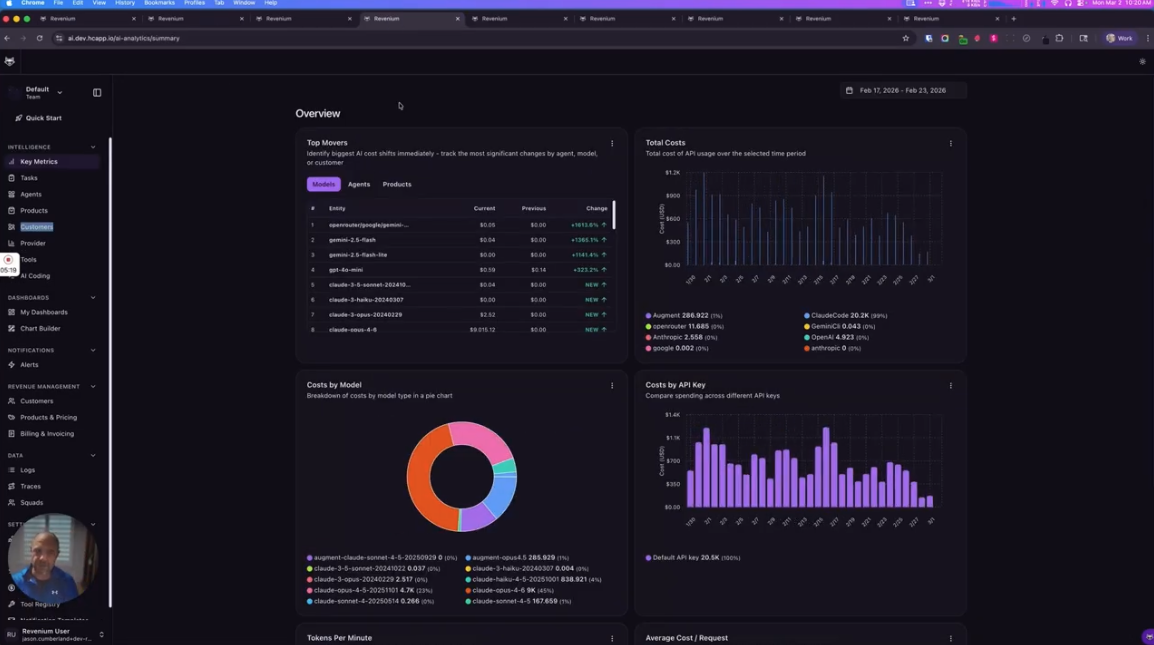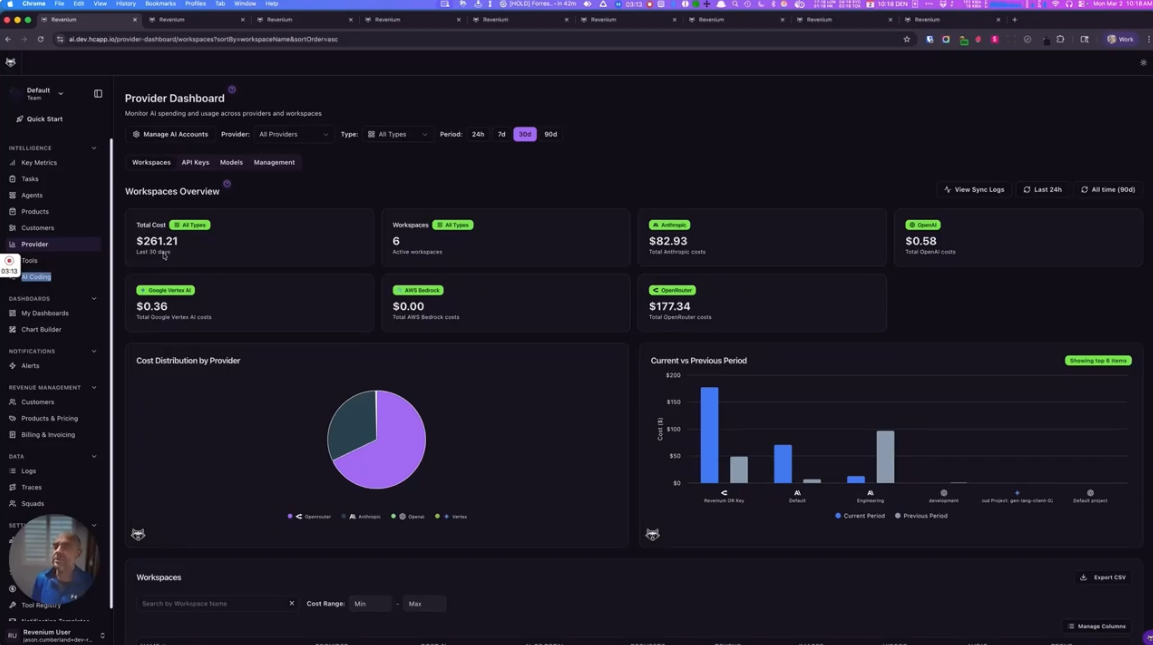

For a loan closing agent making calls to credit bureaus, identity services, and data providers, the ratio of external tool costs to token costs is 174:1. Tokens barely register. The real spend is in the decisions the agent makes. Which tools to call, how many times, in what sequence.
Because agents are non-deterministic, that ratio isn't stable. It varies by run, by input, by context. Most teams are optimizing token spend while the real cost driver goes untracked. Revenium's Tool Cost Registry extends attribution and alerting to external tool costs, set thresholds on tool spend per transaction and detect when an agent goes out of bounds on decisions, not just tokens.
On the roadmap: runtime guardrails to throttle or block transactions when thresholds are violated; business outcome mapping to connect agent spend to results like loans closed or tickets resolved; and human-in-the-loop cost tracking to measure whether AI is actually reducing total workflow cost or just shifting it.
The end goal isn't "what did the tokens cost?" It's "what did the decisions cost, and did the business outcome justify them?"